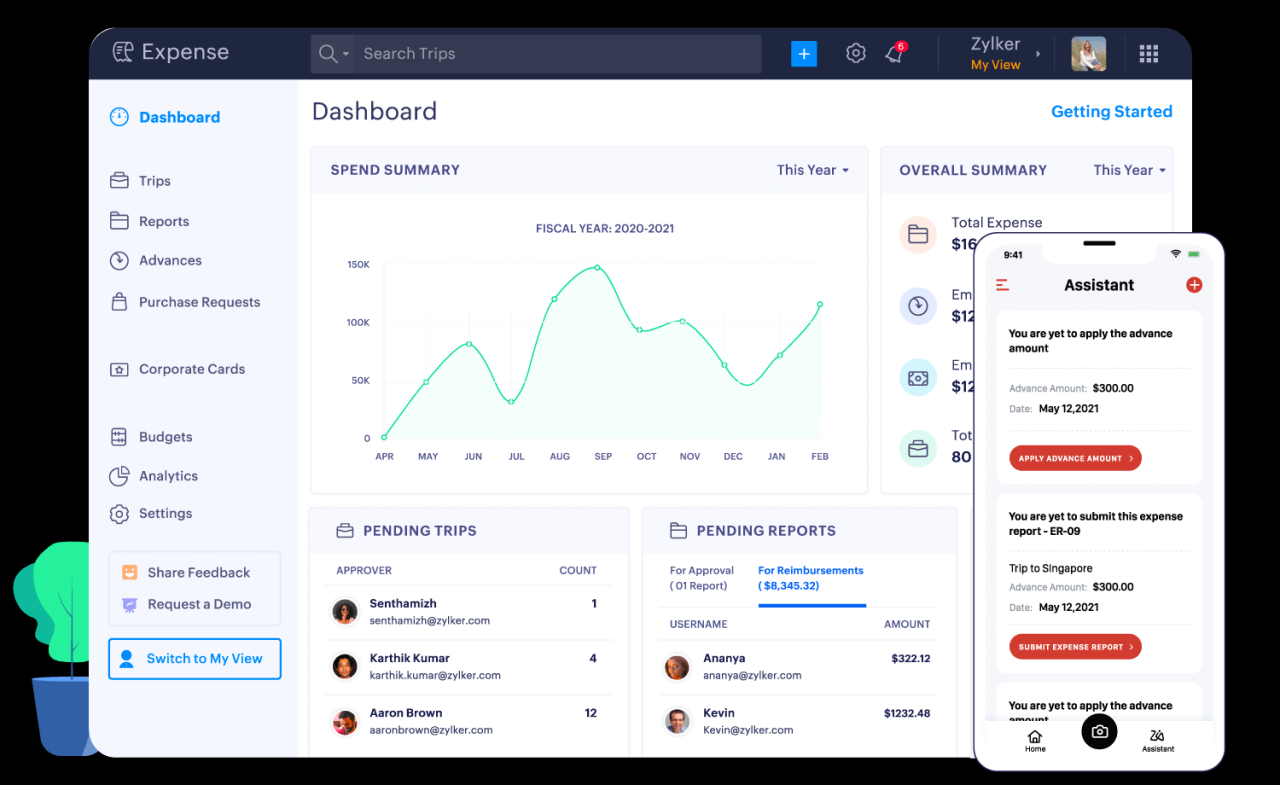
Navigating the financial landscape as a freelancer can feel like charting uncharted waters. The constant juggling of income, expenses, and tax obligations often leaves many feeling overwhelmed. However, the right tools can transform this chaotic experience into a streamlined and manageable process. This exploration delves into the world of expense tracking tools specifically designed to empower freelancers to take control of their finances, optimizing both their time and their bottom line.
This guide will cover various expense tracking methods, from simple spreadsheets to sophisticated software, highlighting the pros and cons of each. We’ll examine essential features to look for in a tool, best practices for accurate record-keeping, and the seamless integration of these tools with other financial platforms. Ultimately, our goal is to equip you with the knowledge and resources necessary to choose the perfect expense tracking solution for your unique freelancing journey.
Integrating Expense Tracking with Other Financial Tools
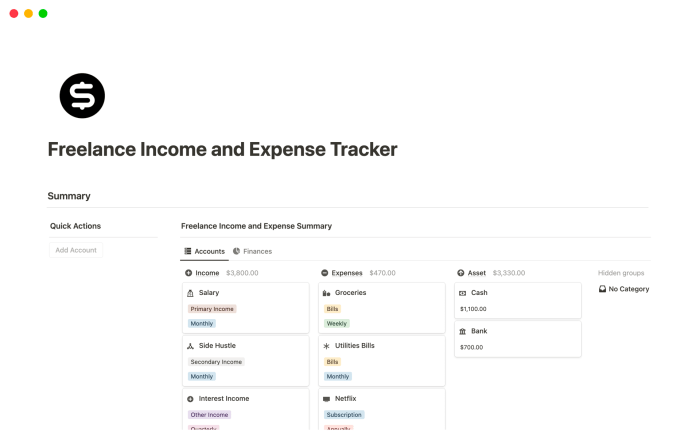
Efficient financial management for freelancers hinges on seamless data flow between different financial tools. Expense tracking apps, when integrated with other platforms, offer significant advantages by automating processes and providing a holistic view of finances. This integration eliminates manual data entry, reduces errors, and ultimately saves valuable time.Integrating expense tracking tools with other financial applications, such as accounting software and banking apps, significantly streamlines the financial management process for freelancers.
This integration allows for automated data transfer, reducing the risk of human error and saving considerable time spent on manual data entry and reconciliation. The resulting consolidated financial overview empowers freelancers to make more informed business decisions.
Benefits of Integration with Accounting Software
The integration of expense tracking apps with accounting software, like Xero or QuickBooks, offers numerous benefits. Real-time data synchronization eliminates the need for manual data entry, minimizing the chances of errors and inconsistencies. This automated process ensures that financial records are always up-to-date, facilitating accurate reporting and informed decision-making. Furthermore, it streamlines tax preparation by providing a readily accessible and organized record of expenses.
A clear, accurate financial picture contributes to better financial planning and forecasting. This allows freelancers to identify trends, manage cash flow more effectively, and ultimately make more strategic decisions about their business.
Step-by-Step Guide: Integrating an Expense Tracking App with Accounting Software
This guide uses a hypothetical example to illustrate the integration process. Specific steps may vary depending on the chosen apps. We will assume the use of “TrackMyExpenses” (a hypothetical expense tracking app) and “AccountRight” (a hypothetical accounting software).
- Account Setup: Create accounts in both TrackMyExpenses and AccountRight. Ensure consistent naming conventions for accounts and categories across both platforms to facilitate seamless data transfer.
- Connect the Apps: Most modern expense tracking apps offer integration options through APIs or file exports. In TrackMyExpenses, navigate to the settings menu and locate the integration section. Select “AccountRight” from the list of supported integrations. You may need to provide authorization credentials for both apps to establish a secure connection.
- Data Mapping: After establishing a connection, you may need to map categories and accounts between TrackMyExpenses and AccountRight. This ensures that expenses are correctly categorized in your accounting software. For instance, “Client Meetings” in TrackMyExpenses might map to “Marketing Expenses” in AccountRight.
- Test the Integration: Enter a few test transactions in TrackMyExpenses. Verify that these transactions are correctly transferred to AccountRight. Check for accurate categorization and data consistency.
- Regular Synchronization: Once the integration is confirmed, schedule regular data synchronization. This ensures that your accounting software always reflects the latest expense data from your tracking app. The frequency of synchronization depends on your individual needs and preferences.
Benefits of Integration with Banking Apps
Linking your expense tracking app to your banking app provides another layer of automation. This integration allows for automatic import of transactions, reducing manual data entry and ensuring accuracy. The app can automatically categorize transactions based on merchant names, further simplifying the expense tracking process. This automated approach reduces the time and effort required for expense tracking, allowing freelancers to focus on their core business activities.
A real-world example could be a freelancer using a banking app linked to their expense tracking tool. The app automatically categorizes a transaction from “Starbucks” as “Coffee & Snacks,” reducing manual effort.
Expense Tracking
Protecting your financial data is paramount when using expense tracking tools. Freelancers, in particular, rely heavily on these tools, making data security and privacy a critical concern. The sensitive nature of financial information necessitates a thorough understanding of potential risks and the implementation of robust security measures.
Data Security and Privacy Risks
The security risks associated with expense tracking tools vary depending on the type of tool and its features. Cloud-based solutions, while offering convenience, introduce risks related to data breaches and unauthorized access. Desktop applications, on the other hand, may be vulnerable to malware or local system compromise. Tools that integrate with banking or other financial accounts present additional vulnerabilities, as unauthorized access to these linked accounts could have significant financial consequences.
Furthermore, the security of the data transmission itself needs to be considered. Weak encryption protocols during data transfer could expose sensitive information to interception.
Best Practices for Protecting Sensitive Financial Data
Several best practices can significantly enhance the security of your financial data within expense tracking tools. Firstly, select reputable providers with a proven track record of data security. Look for tools that employ strong encryption both in transit and at rest, and those that adhere to industry-standard security protocols. Regularly review the security settings within the application, enabling two-factor authentication whenever possible.
This adds an extra layer of protection against unauthorized access. Avoid using public Wi-Fi networks when accessing your expense tracking tool, as these networks are often less secure. Finally, maintain strong, unique passwords for all your accounts, including your expense tracking tool. Consider using a password manager to help you generate and manage complex passwords securely.
Regularly update the software of your expense tracking tool to patch security vulnerabilities. This is a crucial step to mitigate risks associated with known exploits. Finally, be cautious about phishing scams, which may attempt to gain access to your credentials through deceptive emails or websites.
Effective expense tracking isn’t just about complying with tax regulations; it’s about gaining a clear understanding of your financial health. By utilizing the right tools and implementing sound strategies, freelancers can transform their financial management from a source of stress into a powerful asset. This empowers informed decision-making, fostering financial stability and contributing to long-term success. Ultimately, the journey to financial clarity starts with a commitment to accurate and organized expense tracking, a journey made significantly easier with the appropriate tools at your disposal.
Popular Questions
What if I don’t have many expenses to track?
Even with few expenses, tracking them provides valuable insights into your spending habits and aids in tax preparation. A simple spreadsheet might suffice for minimal tracking needs.
Are there free expense tracking tools available?
Yes, many tools offer free plans with limited features, or free trials for premium versions. Consider your needs to determine if a free option is sufficient.
How do I choose the best tool for my specific needs?
Consider your technical skills, the complexity of your expenses, your budget, and desired features (e.g., receipt scanning, mileage tracking). Start with a free trial or free plan to test compatibility.
What happens if I lose my expense data?
Regular backups are crucial. Many tools offer cloud storage or allow for manual data exports. Choose a tool with robust backup and recovery options.


